for those who take their crunch and craft - seriously!

Exploring the Most Common Foods Pickled Around the World
Pickling: The world's favourite way to save and savor.
1 min read
Pickling Worldwide
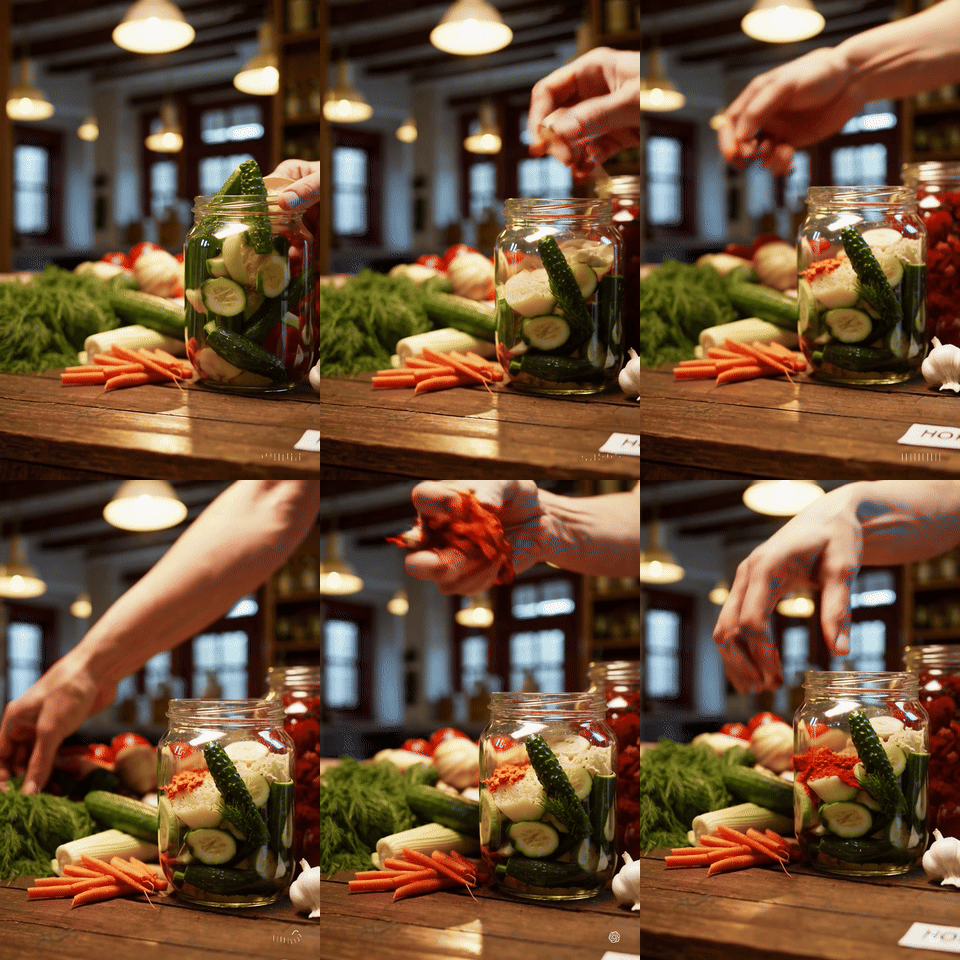
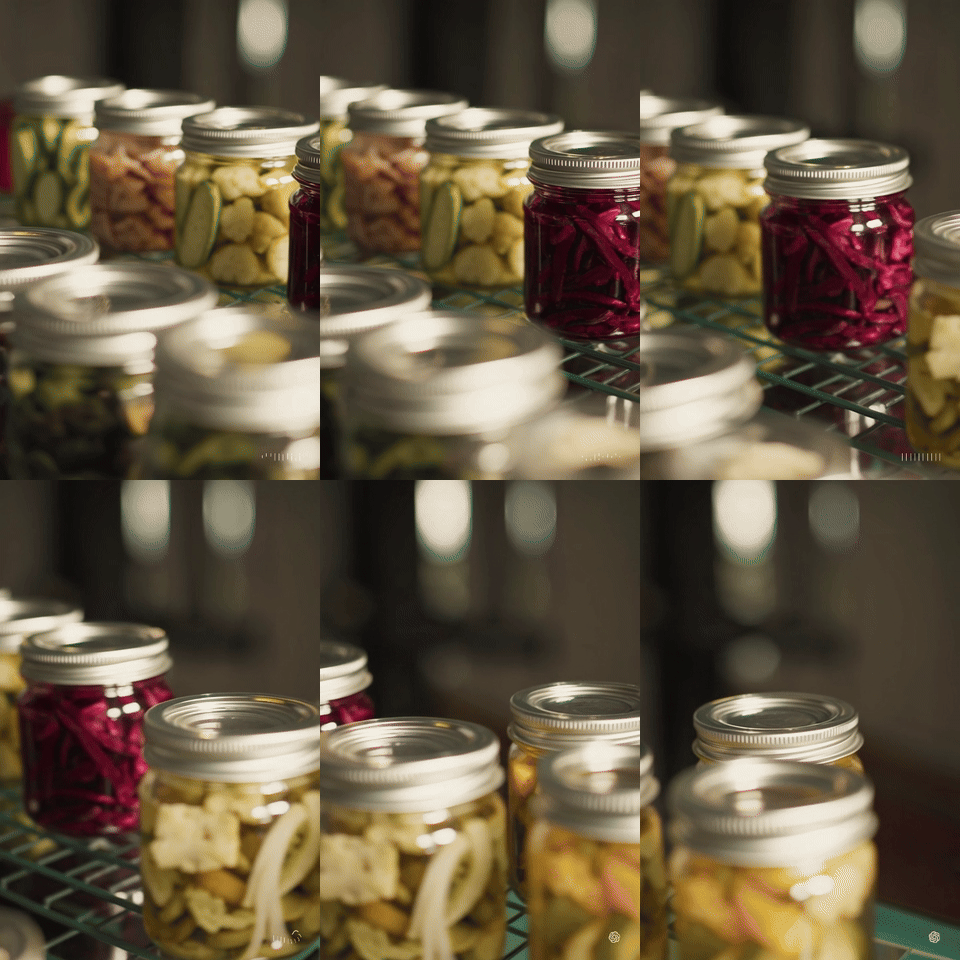
Pickling is a time-honored preservation technique that not only extends the shelf life of various foods but also enhances their flavor immensely. Across diverse cultures, pickling methods have evolved, resulting in a myriad of options that cater to unique tastes and dietary preferences. This blog post delves into the most common foods pickled around the world, showcasing the versatile nature of this culinary method.
🌎 The Americas
United States: Cucumbers (dills, bread & butter pickles), okra, green beans, peppers. Pickled eggs are a bar snack tradition.
Mexico: Carrots, jalapeños, onions → escabeche.
Caribbean: Scotch bonnet peppers, tropical fruits like mango and papaya.
🌍 Europe
Russia & Eastern Europe: Cucumbers, tomatoes, cabbage, mushrooms, garlic, even watermelon.
Germany: Cabbage (sauerkraut), gherkins.
Scandinavia: Herring, salmon, beets.
UK: Onions, beets, piccalilli (mixed pickled vegetables with mustard).
🌏 Asia
Korea: Napa cabbage, radish, cucumbers → Kimchi in endless variations.
Japan: Daikon (takuan), plums (umeboshi), ginger, cucumbers.
China: Mustard greens, cabbage, long beans, garlic, chilies.
India: Mango, lime, garlic, green chilies → Achar (spiced pickles).
Vietnam: Carrots & daikon → crunchy đồ chua for banh mi.
🌍 Middle East & Africa
Middle East: Turnips (often pink from beets), cucumbers, olives, lemons.
North Africa: Preserved lemons are iconic in Moroccan cooking.
Ethiopia: Spicy pickled vegetables served with injera.