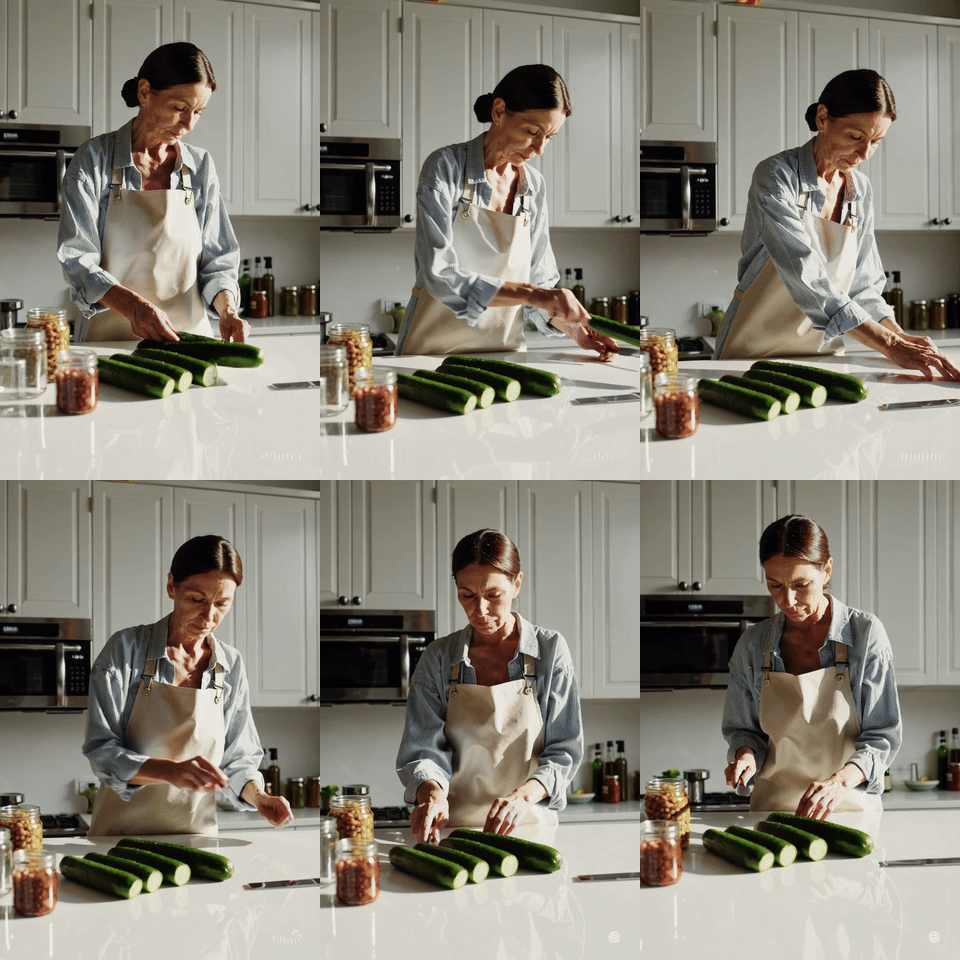
for those who take their crunch and craft - seriously!

Discover the Art of Pickling
1 min read
From Ancient Tradition to Modern Kitchens

Pickling is one of humanity’s oldest culinary arts — a simple yet ingenious way to transform fresh food into something tangy, complex, and long-lasting. Tracing its roots back more than 4,000 years to ancient Mesopotamia, pickling began as a method of survival, a way to preserve cucumbers and other vegetables in brine so they could be enjoyed long after harvest. Over the centuries, the practice spread across cultures and continents, becoming as diverse as the people who embraced it.
From the spicy kimchi of Korea to the sour-sweet achar of India, the crisp dill pickles of Eastern Europe, and the vinegar-soaked chutneys of Britain, pickling is universal. Each culture has adapted the craft to local ingredients and tastes, turning necessity into tradition, and tradition into an art form.
Today, the joy of pickling has found new life in modern kitchens. More and more home cooks — hobbyists who see themselves as flavor explorers — are experimenting with their own jars. Beyond cucumbers, they’re pickling everything from carrots, beets, and cauliflower to eggs, garlic, even meats. The process is as satisfying as the results: chopping, seasoning, pouring brine, sealing jars, and waiting for flavors to bloom.
What makes pickling especially appealing is the mix of creativity and patience. A jar becomes a canvas where spices, herbs, and time collaborate to create something greater than the sum of its parts. And when the jar finally opens, it’s not just food you taste — it’s heritage, experimentation, and the simple joy of making something lasting with your own hands.
In a fast-paced world, pickling offers a grounding ritual: a connection to tradition, a celebration of seasonal abundance, and a reminder that sometimes the best flavors are the ones that take time.