for those who take their crunch and craft - seriously!

Fermented Foods Around The World
Fermented foods sit at a sweet spot where culture, flavor, and science meet. The strongest scientific evidence so far suggests they can support microbiome diversity and lower inflammation markers —plus they’ve been beloved globally for taste and preservation for centuries.
1 min read
East Asia
Kimchi (Korea): fermented napa cabbage and/or radish with aromatics and chili; eaten with rice, soups, grilled meats, or as a banchan side.
Miso & natto (Japan): miso in soups and marinades; natto stirred into rice—famous for its strong flavor and sticky texture. Fermented soy has been widely reviewed for potential health-relevant compounds.
Douchi, sufu, doenjang, shoyu: regional fermented soy products used as seasonings and protein staples.


Europe
Sauerkraut (Central/Eastern Europe): fermented cabbage served with sausages and roasts, or tucked into sandwiches.
Cultured dairy (many regions): yogurt-style foods appear across Europe and West Asia—served with savory dishes, herbs, and grains.
Southeast Asia
Tempeh (Indonesia): fermented soy pressed into a cake; sliced and pan-fried, added to curries, stir-fries, or bowls.




Africa
Ogi / kenkey / injera-style ferments (region-specific): fermented grains and batters are used to make porridges or breads (methods vary widely). These traditions often combine preservation, flavor, and digestibility.


The Americas
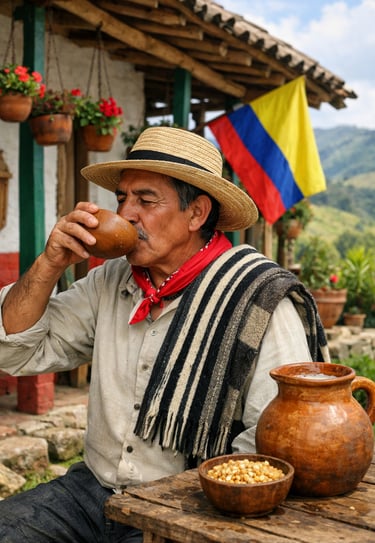
Fermented corn or grain beverages/foods (varies by region) chicha, tesguino, pozol, and atole agrio: traditional ferments exist across Indigenous and local cuisines, often tied to staple crops and community methods.