for those who take their crunch and craft - seriously!

Fermented Foods - The 2026 Glow Up You Need For Better Health!
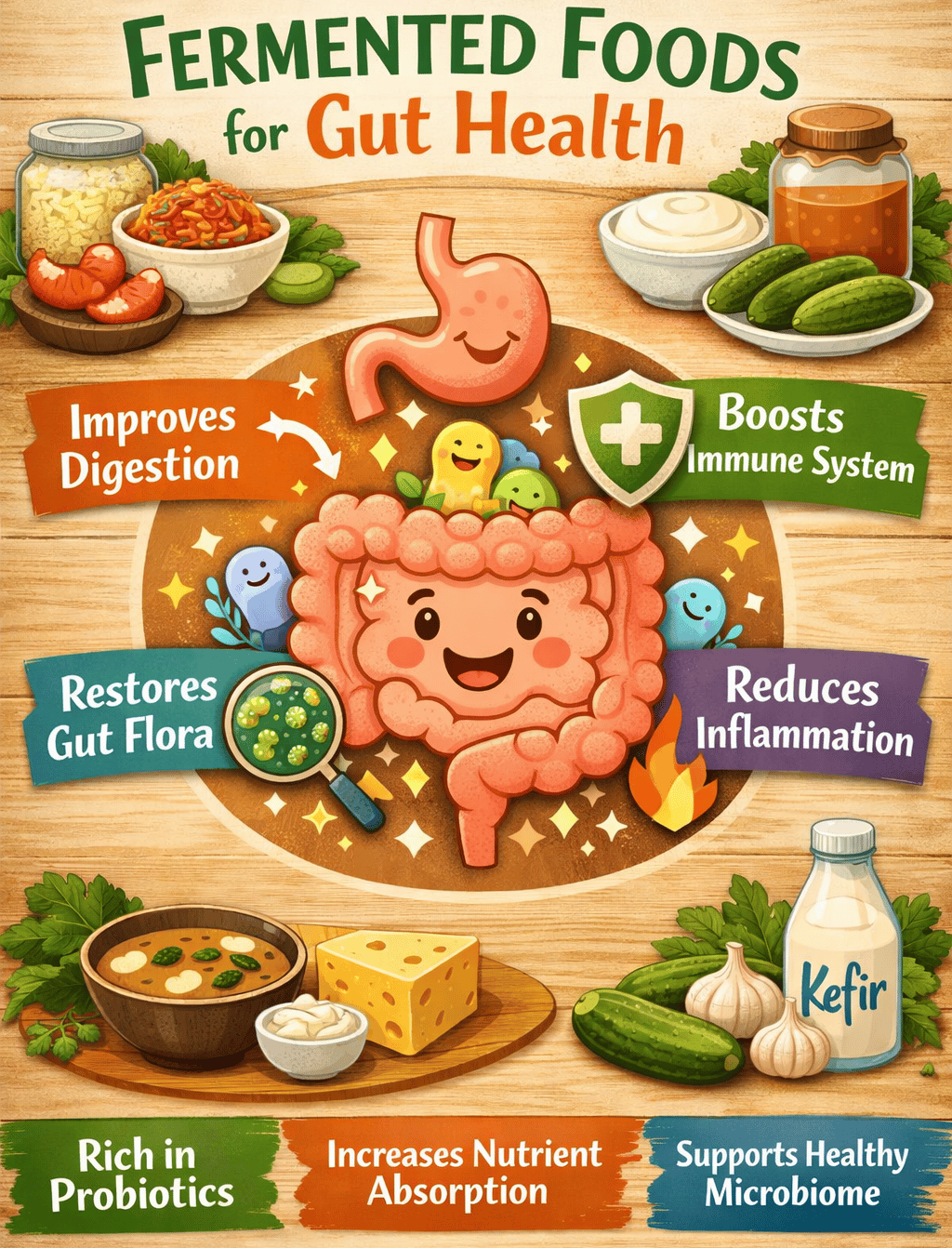
Fermented foods are basically microbial GLOW-UPS: bacteria or yeasts transform ingredients into something tangier, tastier, and often easier to digest. Scientifically, fermented foods are “produced through controlled microbial growth” that converts food components via enzymes.
2 min read
The Science Behind Fermented Foods
1) Support a healthier, more diverse gut microbiome
One of the most compelling findings comes from a Stanford-led randomized dietary intervention: a high-fermented-food diet increased microbiome diversity and was associated with lower levels of several inflammatory markers over the study period.
Separately, recent scientific reviews summarize evidence that fermented foods like yogurt, kefir, kombucha, and fermented vegetables can shift gut microbiome composition toward more beneficial taxa (though results vary by food type, dose, and the person).
Why this matters: microbiome diversity is often considered one sign of a resilient gut ecosystem—though it’s not the only one, and “more” isn’t always automatically “better” for everyone.
2) Help with digestion and gut comfort (for some people)
A 2025 meta-analysis looked at fermented foods and outcomes like bowel function and abdominal symptoms in healthy adults—suggesting potential benefits, while also emphasizing differences across studies and foods.
Translation: if your gut likes fermented foods, you may notice things feel more regular or comfortable—but it’s not a guaranteed effect and depends on the specific fermented food.
3) Deliver “postbiotics” even when the microbes don’t survive
Not every fermented food is bursting with live microbes (some are heat-treated), but fermentation also creates helpful compounds—often called postbiotics (like organic acids and bioactive peptides). These compounds can still have biological effects even if the live cultures are reduced.
4) Improve food safety and preservation (the original “benefit”)
Long before wellness headlines, fermentation was a practical tool: lactic acid bacteria lower pH and create conditions that make it harder for spoilage organisms to thrive. That’s part of why fermented vegetables became staples across climates and seasons.



Start Today